
Managing Partner Neema
Neema
Amini
Neema Amini heads our transactional and contract work, as well as the firm’s business litigation. Operating out of the Austin and New York City offices, he works with a variety of enterprises — both established and emerging, and in industries such as digital health and information security technology. He has represented domestic and foreign clients, including companies and individuals, in various types of complex, high-stakes litigation in both state and federal courts.
Education
The University of Texas School of Law, J.D., 2010
Tulane University, B.A., Political Theory, Magna Cum Laude, 2006
Admitted to Practice
Texas (2011)
New York (2014)
California (2014)
Alabama (2016)
District of Columbia (2023)
Michigan (2025)
U.S. District Court, Western District of Texas
U.S. District Court, Central District of California
U.S. District Court, Northern District of California
U.S. District Court, Eastern District of Michigan
U.S. Court of Appeals for the Fifth Circuit
Supreme Court of the United States
Practice Areas
Corporate & Commercial Formation and Structuring
Civil and Commercial Litigation
Contractual Formation and Negotiation
Mergers and Acquisitions
General Business Transactions
Residential and Commercial Real Estate Transactions
Trademark and Infringement Litigation
Residential and Commercial Real Estate Litigation
Awards and Accolades
Head Counsel for the Texas Multi-District Litigation Class against Volkswagen in the Diesel Fraud matter
Rising Star / Super Lawyer (2018-2023)
Only 2.5% of active attorneys under the age of 40 or in practice 10 years or less are awarded this honor
Lagniappe
Hometown: New York City, NY
Passionate About: Sushi, Traveling with his family, Funky vintage cars, Hiking
Current Favorite Book: “Siddhartha” by Hermann Hesse

Transactional Law 1 minute read
1 minute readThe Texas Raw Land Playbook for Buyers and Their Brokers, Part 3: Title Insurance, Minerals, HOA Governance, and Closing Discipline
Buying residential land in a Texas development requires understanding the regulatory and infrastructure framework that determines whether a home can actually be built. This guide explains how subdivision structure, utilities, septic feasibility, groundwater regulation, floodplain risk, and tax valuation mechanics affect cost, timing, and buildability before closing.
Read More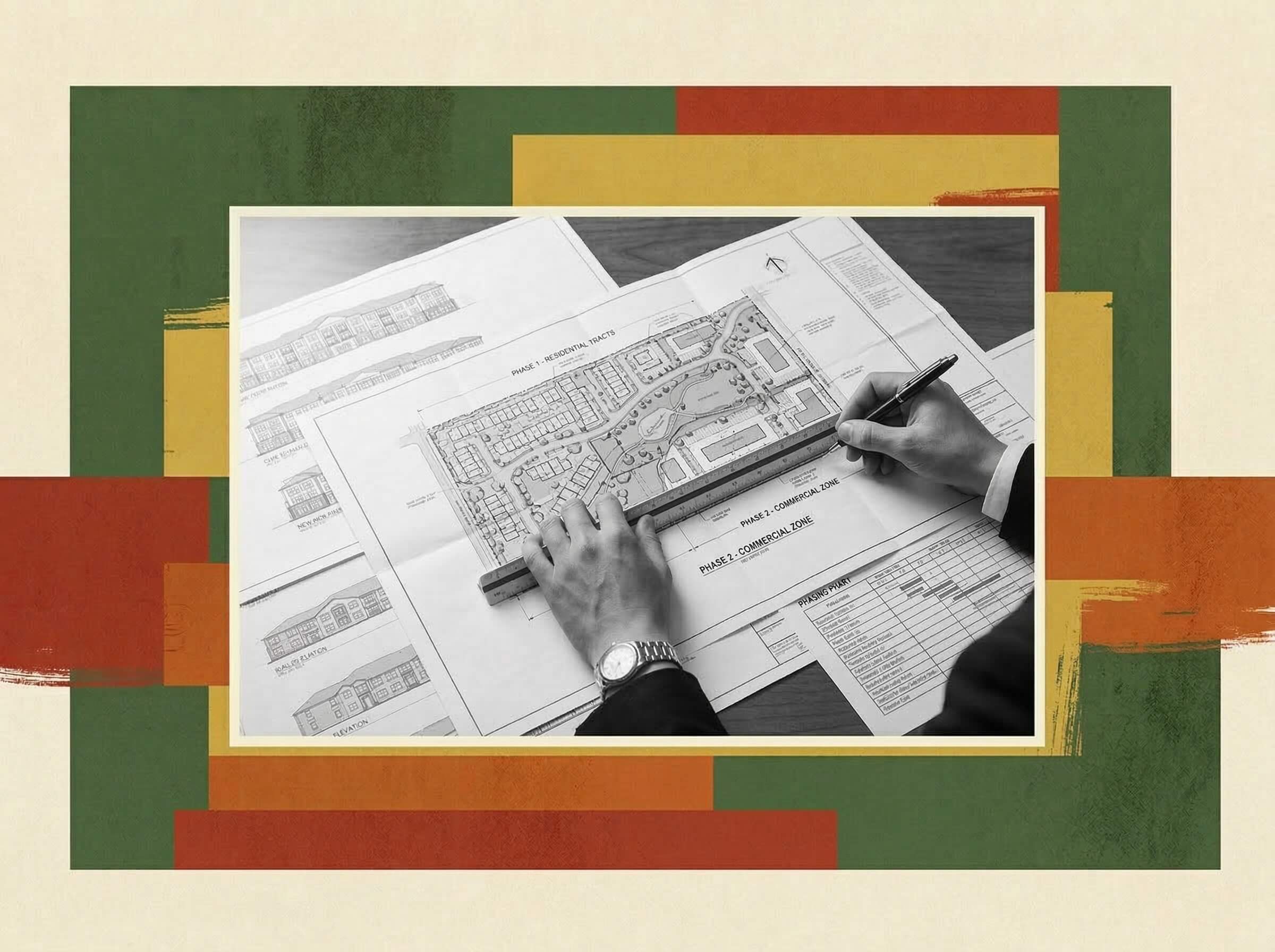
Transactional Law1 minute read
1 minute readThe Texas Raw Land Playbook for Buyers and Their Brokers, Part 2: Regulatory and Infrastructure Risk in Residential Tract Developments
Buying residential land in a Texas development requires understanding the regulatory and infrastructure framework that determines whether a home can actually be built. This guide explains how subdivision structure, utilities, septic feasibility, groundwater regulation, floodplain risk, and tax valuation mechanics affect cost, timing, and buildability before closing.
Read More
Transactional Law1 minute read
1 minute readThe Texas Raw Land Playbook for Buyers and Their Brokers, Part 1: The TREC Contract as the Buyer’s Leverage Framework
Buying raw residential land in a Texas development carries risks that many buyers underestimate. This guide explains how the TREC Unimproved Property Contract functions as the buyer’s leverage framework, helping purchasers use option periods, title objections, and HOA review rights to evaluate development, governance, and infrastructure risks before closing.
Read More